Beginner-Friendly Free Software: Tools to Kickstart Your Learning Journey
Free software, often confused with freeware, refers to software that respects users’ freedom. This means users are free to run, copy, distribute, study, change, and improve the software. The “free” in free software refers to liberty, not price. It empowers users by granting them control over their technology. For beginners, free software can be a gateway to understanding how computers work, creating an environment that encourages independence, and providing valuable tools without financial barriers. This article explores various categories of free software, offering guidance on essential tools to support your learning journey across diverse fields.
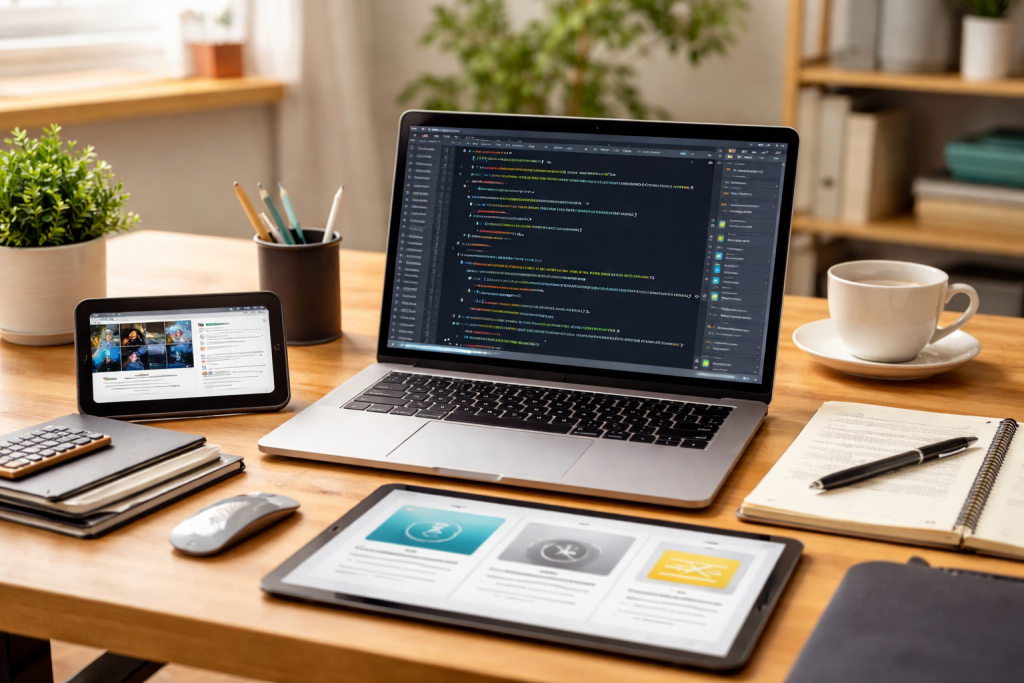
Starting with free software can feel like navigating a vast ocean. It is crucial to start with widely used, well-documented tools that provide a gradual learning curve. These foundational programs can serve as stepping stones, building confidence and technical literacy.
Contents
- 0.1 Operating Systems
- 0.2 Web Browsers
- 0.3 Office and Productivity Software
- 0.4 Graphic Design and Photo Editing
- 0.5 Video and Audio Editing
- 0.6 Text Editors and IDEs
- 0.7 Version Control
- 0.8 Free Software for Learning Languages
- 0.9 Collaboration and Communication Tools
- 1 FAQs
- 1.1 What is free software, and why should beginners consider using it?
- 1.2 What are some essential free software tools for beginners in graphic design and photo editing?
- 1.3 What free software options are available for video and audio editing for beginners?
- 1.4 What are some coding and development tools recommended for beginners who want to learn programming?
- 1.5 Are there free office and productivity software options suitable for beginners?
Operating Systems
While many computers come with proprietary operating systems like Windows or macOS, numerous free alternatives exist. Linux distributions are a prominent example. These operating systems offer robust security, extensive customization options, and a vibrant community for support.
Ubuntu is a particularly popular choice for beginners. Its user-friendly interface and extensive documentation make it accessible. Fedora provides a cutting-edge experience for those interested in newer technologies. Linux Mint blends ease of use with a familiar desktop environment, often resembling Windows. Investigating these operating systems can significantly alter your connection with your computer, providing insight into the inner workings of proprietary systems.
Web Browsers
Your web browser is your window to the internet. While many default browsers are proprietary, excellent free alternatives exist that prioritize user privacy and offer extensive customization.
Mozilla Firefox stands out as a leading free software browser. It is known for its strong privacy features, robust extension ecosystem, and commitment to open web standards. Brave Browser focuses on privacy by blocking trackers and ads by default. It also offers a cryptocurrency-based reward system for content creators. These browsers are more than just tools for viewing websites; they are instruments for controlling your online experience.
Office and Productivity Software
The need for word processing, spreadsheets, and presentations is universal. Proprietary suites often come with significant costs. Free software alternatives provide comparable functionality without the financial burden.
LibreOffice is the most prominent free office suite. It includes Writer (word processor), Calc (spreadsheet), Impress (presentation software), Draw (vector graphics), Base (database), and Math (formula editor). LibreOffice’s file formats are often compatible with proprietary suites, making collaboration possible. It’s a complete toolbox for academic, professional, and personal productivity. Another notable option is OnlyOffice, which offers strong compatibility with Microsoft Office formats and provides a collaborative online suite.
For those with an artistic inclination or a desire to explore visual and auditory mediums, free software provides powerful tools. These applications can help you express ideas, develop skills, and create professional-quality work without investing in expensive licenses.
Graphic Design and Photo Editing
Visual communication is a powerful skill. Free software offers sophisticated tools for manipulating images, creating graphics, and preparing visuals for various platforms.
GIMP (GNU Image Manipulation Program) is a robust image editor, often considered a free alternative to Adobe Photoshop. It offers extensive features for retouching photos, composing images, and creating original artwork. Its learning curve can be steep for absolute beginners, but numerous tutorials and a dedicated community provide ample support. For vector graphics, Inkscape is an excellent choice. It allows you to create scalable illustrations, logos, and designs. Vector graphics are ideal for print and web, as they can be scaled to any size without pixelation. Together, GIMP and Inkscape form a powerful duo for visual creation.
Video and Audio Editing
The digital landscape increasingly relies on video and audio content. Free software facilitates the creation and editing of these media, providing opportunities for podcasting, filmmaking, and music production.
For video editing, DaVinci Resolve offers professional-grade features, including advanced color correction, visual effects, and audio post-production. Despite having a more challenging learning curve than some entry-level editors, DaVinci Resolve boasts extensive capabilities. Kdenlive is another strong contender, known for its user-friendly interface and powerful editing features. For audio editing, Audacity is a fundamental tool. It allows you to record, edit, and mix audio tracks. It’s excellent for podcasts, voiceovers, and basic music production. These tools play a crucial role in shaping your sound and vision.
Learning to code is a valuable skill in the modern world. Free software provides the foundational environment and tools necessary to write, test, and deploy code. These tools are the workbench and instruments for building digital creations.
Text Editors and IDEs
The first step in coding often involves writing code in a text editor. While any plain text editor can work, specialized editors and Integrated Development Environments (IDEs) offer features that enhance the coding process.
Visual Studio Code (VS Code) is a popular, powerful, and highly customizable code editor that supports numerous programming languages through extensions. It offers features like syntax highlighting, code completion, and integrated debugging. For a more lightweight option, Sublime Text is known for its speed and efficiency. These editors are more than just places to type; they are environments designed to streamline the act of programming. For those delving into web development, tools like XAMPP or MAMP provide a local server environment, allowing you to test websites and applications on your computer before deploying them online.
Version Control
Version control systems are crucial for managing changes to code and collaborating with others. They act as a historical record, allowing you to revert to previous versions and track contributions.
Git is the most widely used distributed version control system. Learning Git is a fundamental skill for any developer. While it can initially seem complex, numerous online tutorials and resources demystify its use. Platforms like GitHub and GitLab provide cloud-based hosting for Git repositories, facilitating collaboration and project management. Mastering Git is like learning to navigate a time machine for your code, allowing you to backtrack and explore different historical points of your project.
Learning is a continuous journey, and free software can be a powerful companion. Whether you’re acquiring a new language, managing projects, or exchanging ideas with others, free tools foster an environment of growth and connection.
Free Software for Learning Languages
Language learning often benefits from immersive and interactive tools. Free software can augment your learning experience, providing resources for vocabulary, grammar, and pronunciation.
Anki is a flashcard program that uses spaced repetition to optimize memorization. It’s highly effective for learning vocabulary and complex concepts in new languages. Its customizable deck system allows you to tailor your learning. Duolingo, while having proprietary elements, offers a significant free tier that provides gamified language lessons. For exploring different languages and cultures, VLC Media Player can be used to watch foreign language films with subtitles, providing immersion. These tools act as guides and drills, sharpening your linguistic senses.
Collaboration and Communication Tools
Working with others requires effective communication and shared workspaces. Free software provides platforms for real-time interaction, project coordination, and document sharing.
Discord is a popular platform for voice, video, and text communication, widely used by communities and study groups. Matrix, with clients like Element, offers a decentralized and end-to-end encrypted communication protocol, prioritizing privacy and user control. Nextcloud provides a personal cloud storage solution and collaboration platform, allowing you to share files and work on documents with others. It’s like having your own private cloud where you control your data. Jitsi Meet offers free and open-source video conferencing without the need for accounts or special software. These tools are the bridges that connect ideas and efforts among individuals.
The sheer volume of free software can be both a blessing and a curse. The key is to approach selection with purpose, considering your specific needs and learning style. Think of it as equipping yourself for a specific expedition.
When selecting free software, consider the following points:
Purpose: What specific task or skill are you trying to learn or accomplish? If your goal is to edit photos, GIMP or Krita will be more relevant than a coding environment.
Community and Documentation: Strong communities provide support, tutorials, and answers to questions. Well-documented software makes it easier to learn and troubleshoot. Look for active forums, wikis, and online guides.
Learning Curve: Some software, while powerful, has a steep learning curve. For beginners, starting with more intuitive tools can build confidence before moving to advanced options. It’s like learning to walk before attempting a marathon.
Cross-Platform Compatibility: If you use different operating systems, choosing software that runs on all of them can simplify your workflow.
Regular Updates and Maintenance: Active development indicates ongoing support and improvement. Software that hasn’t been updated in years might have security vulnerabilities or compatibility issues.
Review and Experimentation: Read reviews from other users, and don’t be afraid to download and experiment. Many free software applications are lightweight and simple to install and remove. Your experience serves as the final judge.
Embarking on your free software journey requires a mindset of exploration and patience. It’s a path toward greater control and understanding of your technology.
Start Small: Don’t try to replace all your proprietary software at once. Begin with one or two free tools that address an immediate need or interest. This gradual transition lessens overwhelm.
Leverage Online Resources: The internet is replete with tutorials, videos, and documentation for free software. YouTube, specialized blogs, and community forums are invaluable. These resources are your compass and map.
Join Communities: Connecting with other free software users can provide support, insights, and opportunities to learn. Many projects have mailing lists, Discord servers, or forums.
Experiment and Explore: The beauty of free software is the freedom to experiment without financial commitment. Try different tools, customize settings, and see what works best for you.
Contribute (Even Small): Once you gain confidence, consider contributing to free software projects. This doesn’t necessarily mean writing code; it could involve documenting features, reporting bugs, or helping other users. This is how the free software ecosystem thrives.
Embrace the Freedom: Understand that free software offers you more than just a zero price tag. It offers the freedom to understand, adapt, and control your digital tools, fostering a deeper connection with your technology. It’s an opportunity to become more than just a consumer; it’s an opportunity to become a participant.
FAQs
What is free software, and why should beginners consider using it?
“Free software” refers to software that is distributed with a license that allows users to use, study, modify, and distribute the software for free. Beginners should consider using free software because it provides an accessible and cost-effective way to learn and practice various skills, such as graphic design, video editing, coding, and more.
What are some essential free software tools for beginners in graphic design and photo editing?
Some essential free software tools for beginners in graphic design and photo editing include GIMP (GNU Image Manipulation Program), Inkscape, and Krita. These tools offer a wide range of features and functionalities for creating and editing images and graphics.
What free software options are available for video and audio editing for beginners?
For video editing, beginners can consider using software like Shotcut, DaVinci Resolve, and OpenShot. For audio editing, Audacity is a popular choice among beginners due to its user-friendly interface and comprehensive set of features.
What are some coding and development tools recommended for beginners who want to learn programming?
Beginners who want to learn programming can explore free coding and development tools such as Visual Studio Code, Atom, and Sublime Text. These tools provide a supportive environment for writing, testing, and debugging code.
Are there free office and productivity software options suitable for beginners?
Yes, there are several free office and productivity software options suitable for beginners, including LibreOffice, Apache OpenOffice, and WPS Office. These tools offer word processing, spreadsheet, presentation, and other office-related functionalities to support beginners in their learning journey.

With over 5 years of experience in digital learning and productivity, we specialize in creating practical and easy-to-follow solutions.Our expertise focuses on simplifying complex concepts into clear, actionable strategies for everyday use.We are committed to helping learners and professionals improve efficiency, build skills, and achieve consistent growth.