
Demystifying Green Technology: What You Need to Know
So, what exactly is green technology? At its core, it’s about developing and using products and services that are better for the environment. Think of it as innovation with a conscience, aiming to reduce our impact on the planet while still meeting our needs and improving our lives. It’s not just about solar panels and wind turbines, though those are certainly big players. It encompasses a wide range of solutions designed to be more efficient, less polluting, and ultimately, more sustainable.
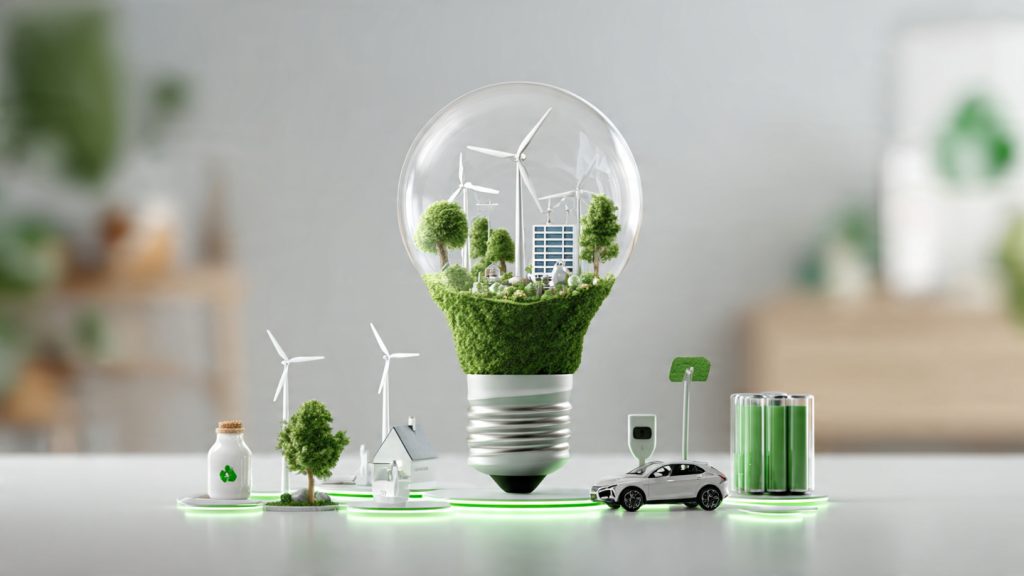
When we talk about green technology, it’s helpful to break it down into a few key ideas. It’s fundamentally about problem-solving, but the problems are environmental ones. This means looking at how we produce things, how we consume energy, and how we manage waste, and finding smarter, cleaner ways to do it all.
Contents
- 0.1 What Defines “Green”?
- 0.2 Efficiency and Conservation
- 0.3 Clean Production and Waste Reduction
- 0.4 Reducing Greenhouse Gas Emissions
- 0.5 Conserving Natural Resources
- 0.6 Minimizing Pollution
- 0.7 The Energy Sector Transformation
- 0.8 Rethinking Transportation
- 0.9 Sustainable Manufacturing and Construction
- 0.10 Agriculture and Food Systems
- 0.11 Cost Savings
- 0.12 Enhanced Reputation and Brand Image
- 0.13 Improved Health and Well-being
- 0.14 Innovation and Economic Growth
- 0.15 “It’s too expensive and only for the wealthy.”
- 0.16 “Green technology sacrifices performance.”
- 0.17 “It’s all about recycling and being ‘eco-friendly.'”
- 0.18 “It’s a fad that will disappear.”
- 0.19 Infrastructure Development
- 0.20 Policy and Regulatory Frameworks
- 0.21 Public Awareness and Education
- 0.22 Technological Maturity and Scalability
- 0.23 Economic and Political Barriers
- 0.24 Home Energy Efficiency
- 0.25 Transportation Choices
- 0.26 Conscious Consumption
- 0.27 Water Conservation
- 0.28 Engaging with Green Initiatives
- 1 FAQs
What Defines “Green”?
The “green” aspect really boils down to minimizing harm. This can mean reducing greenhouse gas emissions, conserving water, decreasing pollution, preserving natural resources, or even promoting biodiversity. It’s about a holistic approach to how our actions affect the natural world.
Efficiency and Conservation
A major piece of the puzzle is efficiency. Green tech often focuses on getting more done with fewer resources. This could be a more fuel-efficient car, an appliance that uses less electricity, or a building designed to reduce heating and cooling needs naturally. Conservation is the flip side—actively protecting and preserving what we have.
Clean Production and Waste Reduction
It also extends to how things are made. Green manufacturing aims to use less energy and water, produce fewer toxic byproducts, and design products that are easier to recycle or biodispose of responsibly at the end of their life. This tackles pollution at its source.
The whole point of green technology is to lessen our negative impact on the planet. This isn’t a minor adjustment; it’s a fundamental shift in how we interact with our environment, and the positive changes can be quite significant.
Reducing Greenhouse Gas Emissions
Perhaps the most well-known benefit is the role green tech plays in combating climate change. By transitioning to cleaner energy sources and more efficient transportation, we directly reduce the amount of carbon dioxide and other greenhouse gases released into the atmosphere. This is crucial for mitigating global warming and its associated extreme weather events.
Conserving Natural Resources
Many traditional technologies rely heavily on finite resources like fossil fuels. Green technology, especially in areas like renewable energy and sustainable materials, helps us rely less on these dwindling supplies. This means preserving these resources for future generations and reducing the environmental damage caused by extraction.
Minimizing Pollution
Beyond greenhouse gases, green tech tackles air, water, and soil pollution. This can range from cleaner industrial processes that prevent toxins from entering waterways to sustainable agriculture practices that reduce pesticide runoff. A cleaner environment means healthier ecosystems and healthier people.
It’s not just about making individual products better; green technology is shaking up entire sectors, forcing businesses to rethink their operations and find innovative solutions. This isn’t just a trend; it’s becoming a fundamental business imperative.
The Energy Sector Transformation
The shift to renewable energy is probably the most visible revolution. Solar, wind, geothermal, and hydro power are no longer niche alternatives but are becoming mainstream sources of electricity, challenging the dominance of fossil fuels and creating new economic opportunities.
Rethinking Transportation
From electric vehicles (EVs) and hydrogen-powered trucks to more efficient public transport systems and the development of sustainable aviation fuels, the way we move people and goods is undergoing a massive overhaul. This is driven by the desire to reduce emissions and improve air quality in urban areas.
Sustainable Manufacturing and Construction
Industries are increasingly looking at the lifecycle of their products. This includes using recycled materials, designing for disassembly and repair, adopting energy-efficient manufacturing processes, and building structures with lower environmental footprints. Green building certifications are becoming standard.
Agriculture and Food Systems
Even our food production is getting greener. This includes precision agriculture techniques that use less water and fertilizer, the development of vertical farms, and a growing interest in plant-based diets and sustainable farming practices that enhance soil health.
Choosing green technology isn’t just about doing the “right thing” for the planet; it often comes with tangible advantages for individuals and businesses alike. It’s about smart choices that can pay off in multiple ways.
Cost Savings
While some green technologies might have a higher upfront cost, they often lead to significant long-term savings. For example, energy-efficient appliances reduce electricity bills, solar panels can generate free electricity, and electric vehicles typically have lower running and maintenance costs than their gasoline counterparts.
Enhanced Reputation and Brand Image
Consumers and investors are increasingly prioritizing sustainability. Businesses that actively adopt and promote green technologies can improve their public image, attract environmentally conscious customers, and demonstrate corporate social responsibility, which can be a strong competitive advantage.
Improved Health and Well-being
By reducing pollution, green technology contributes to cleaner air and water, leading to better public health outcomes. This can mean fewer respiratory illnesses, reduced exposure to harmful chemicals, and generally healthier living environments for communities.
Innovation and Economic Growth
The development and deployment of green technologies spur innovation, creating new industries, jobs, and economic opportunities. This can drive economic growth and position regions or countries as leaders in the sustainable economy.
Like any rapidly evolving field, green technology is surrounded by a fair share of myths and misunderstandings. Separating fact from fiction is key to understanding its real potential and limitations.
“It’s too expensive and only for the wealthy.”
While early adoption of some technologies can be pricey, costs have been steadily decreasing. Many green solutions, like LED lighting, are now cheaper than traditional options. Furthermore, government incentives and long-term savings can often offset initial investments, making them accessible to a wider range of people and businesses.
“Green technology sacrifices performance.”
This used to be a more prevalent concern, but technological advancements have largely dispelled this notion. Modern electric cars offer impressive acceleration, solar panels can generate substantial power, and energy-efficient appliances perform as well as, or even better than, older, less efficient models.
“It’s all about recycling and being ‘eco-friendly.'”
While recycling is a component, green technology is much broader. It encompasses energy generation, transportation, manufacturing, water management, and much more. It’s about systemic change and innovative solutions, not just waste management.
“It’s a fad that will disappear.”
The fundamental drivers of green technology – resource scarcity, climate change, and growing environmental awareness – are not going away. In fact, these challenges are intensifying, making green technology increasingly essential for the long-term viability of our societies and economies.
Despite the clear benefits, rolling out green technology isn’t always a smooth ride. There are hurdles that need to be addressed for widespread adoption.
Infrastructure Development
For many green technologies, like widespread EV charging networks or advanced smart grids to manage renewable energy, significant infrastructure investment is required. This can be a slow and costly process.
Policy and Regulatory Frameworks
Clear, consistent, and supportive government policies are crucial. This includes things like tax incentives, carbon pricing mechanisms, and regulations that encourage or mandate the use of green technologies. Lack of these can stifle progress.
Public Awareness and Education
Sometimes, resistance to change stems from a lack of understanding or trust in new technologies. Educating the public about the benefits and functionality of green solutions is important for gaining acceptance and encouraging adoption.
Technological Maturity and Scalability
While many green technologies are mature, others are still in development or face challenges in scaling up to meet global demand efficiently and affordably. Continuous research and development are vital to address these issues.
Economic and Political Barriers
Entrenched industries and political inertia can sometimes resist the transition to greener alternatives. Overcoming these requires strong advocacy, innovative business models, and a clear articulation of the long-term economic and environmental advantages.
Making green choices doesn’t have to be complicated or expensive. There are many practical ways to integrate green technology into your daily routines and home.
Home Energy Efficiency
Start by looking at your home’s energy use. Switching to LED light bulbs is an easy win. Consider upgrading to energy-efficient appliances when replacements are needed. Proper insulation and sealing drafts can make a big difference in heating and cooling costs. Smart thermostats can also help optimize energy use.
Transportation Choices
If you’re considering a new vehicle, explore electric or hybrid options. For shorter trips, walking or cycling are great green choices. If using public transport isn’t feasible, look into carpooling or ride-sharing services to reduce the number of cars on the road.
Conscious Consumption
Think about the products you buy. Opt for items made from recycled or sustainable materials. Look for products with energy efficiency certifications. Reducing overall consumption, repairing items instead of replacing them, and choosing durable goods all contribute to a greener lifestyle.
Water Conservation
Simple actions like fixing leaky faucets, taking shorter showers, and using water-efficient fixtures can significantly reduce your water usage. Consider collecting rainwater for gardening or using greywater systems where appropriate and permitted.
Engaging with Green Initiatives
Support businesses that prioritize sustainability. Advocate for greener policies in your community. Even small actions, when multiplied across many individuals, can have a substantial collective impact on promoting green technology and a more sustainable future.
FAQs
What is green technology?
Green technology, also known as environmental technology or clean technology, refers to the use of science and innovation to create products, processes, and services that are environmentally friendly and sustainable. It aims to minimize the impact on the environment and natural resources while providing solutions for the challenges of climate change and pollution.
How does green technology benefit the environment?
Green technology benefits the environment by reducing greenhouse gas emissions, conserving natural resources, minimizing pollution, and promoting sustainable development. It helps to mitigate the negative impact of human activities on the planet and contributes to the preservation of ecosystems and biodiversity.
What are some common misconceptions about green technology?
Some common misconceptions about green technology include the belief that it is expensive and unaffordable, that it is not as effective as traditional technology, and that it requires significant lifestyle changes. In reality, green technology can be cost-effective and innovative and can be seamlessly integrated into everyday life and industries.
How is green technology revolutionizing industries?
Green technology is revolutionizing industries by driving innovation, improving efficiency, and reducing environmental impact. It is transforming the way businesses operate by promoting sustainable practices, developing renewable energy sources, and creating eco-friendly products and services.
What are some tips for incorporating green technology into everyday life?
Some tips for incorporating green technology into everyday life include using energy-efficient appliances, reducing water consumption, recycling and composting, using public transportation or carpooling, and supporting sustainable and eco-friendly products and businesses. Small changes in daily habits can make a significant impact on the environment.

With over 5 years of experience in digital learning and productivity, we specialize in creating practical and easy-to-follow solutions.Our expertise focuses on simplifying complex concepts into clear, actionable strategies for everyday use.We are committed to helping learners and professionals improve efficiency, build skills, and achieve consistent growth.