Unleashing the Potential: The Impact of Digital Education on Tomorrow’s Learners
Digital education is fundamentally changing how we learn and prepare for the future. It’s not just about screens and gadgets; it’s a profound shift in how knowledge is accessed, shared, and applied, empowering learners with more control and flexibility than ever before. This evolving landscape is shaping tomorrow’s learners in significant ways, making education more accessible, personalized, and relevant to the demands of the 21st century.
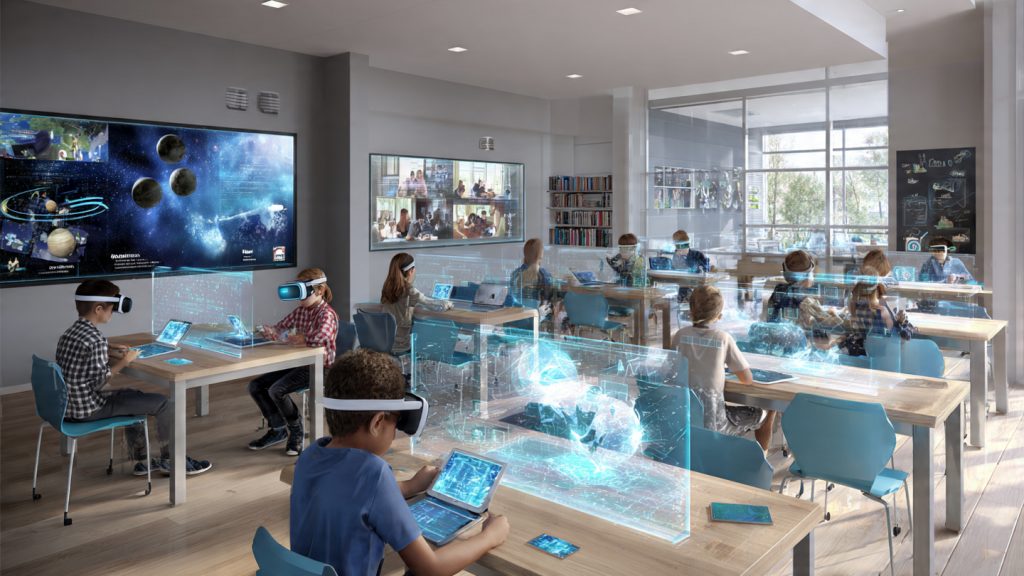
Think of how different education looks now compared to just a couple of decades ago. Digital tools have moved beyond being mere supplements and are now often at the heart of the learning process..
Contents
- 0.1 Beyond Textbooks: Engaging Content
- 0.2 Personalized Pathways for Every Student
- 0.3 Learning Beyond the Classroom Walls
- 0.4 Cultivating Critical Thinking and Problem-Solving
- 0.5 Building Digital Literacy and Foundational Skills
- 0.6 Fostering Collaboration and Communication
- 0.7 Bridging the Digital Divide
- 0.8 Teacher Training and Support
- 0.9 Curriculum Development and Quality Control
- 0.10 Developing 21st-Century Skills
- 0.11 Adaptability and Continuous Learning
- 0.12 Breaking Down Traditional Structures
- 0.13 Expanding Access and Global Collaboration
- 0.14 Data-Driven Insights for Improvement
- 1 FAQs
Beyond Textbooks: Engaging Content
No longer are students confined to static textbooks. Digital education brings learning to life through interactive simulations, virtual reality experiences, and engaging multimedia. Imagine dissecting a virtual frog without the mess or exploring ancient Roman ruins from your living room. This kind of content isn’t just flashy; it helps make complex concepts more understandable and memorable. When learners can actively manipulate data or explore a 3D model, their understanding deepens far beyond what passive reading can achieve. It’s about participation, not just consumption.
Personalized Pathways for Every Student
One of the biggest promises of digital education is its potential for personalization. We all learn differently, and traditional classrooms often struggle to cater to this diversity. Digital platforms, however, can adapt. They can identify areas where a student is excelling or struggling and then provide tailored resources and exercises. This isn’t just about pace; it’s about learning style too. Some students might thrive with visual explanations, others with auditory lectures, and still others with hands-on problem-solving. Digital tools can offer a mix of these, allowing each learner to find their most effective path to understanding. This individualized approach can significantly boost engagement and academic achievement.
Learning Beyond the Classroom Walls
Digital education tears down the physical barriers of traditional schooling. Learning isn’t restricted to a specific classroom at a specific time anymore. Students can access educational resources from anywhere with an internet connection, at any time that suits their schedule. This flexibility is invaluable for a diverse range of learners, including those with unique schedules, geographical limitations, or specific learning needs. It also fosters a sense of independence and self-direction, as learners take more ownership of their educational journey. This extended reach also allows for experts from around the globe to contribute to learning materials, enriching the educational experience significantly.
The benefits of this shift are far-reaching, equipping students with essential skills for an ever-changing world.
Cultivating Critical Thinking and Problem-Solving
Digital environments are ripe for fostering critical thinking and problem-solving skills. When students are faced with online challenges, simulations, or research projects, they’re not just memorizing facts; they’re actively analyzing information, evaluating sources, and devising solutions. Collaborative online projects, for instance, demand negotiation, logical reasoning, and presentation skills. They learn to sift through vast amounts of digital information, discern credible sources from unreliable ones, and synthesize complex ideas. This active engagement with information, rather than passive reception, is crucial for developing a truly analytical mind.
Building Digital Literacy and Foundational Skills
It might seem obvious, but digital education inherently builds digital literacy. Students learn to navigate interfaces, use various software programs, and understand the nuances of online communication and collaboration. These aren’t just secondary skills; they are foundational for nearly every career path in the 21st century. Beyond the technical aspects, they also learn about digital etiquette, online safety, and responsible digital citizenship, which are equally important for thriving in a digitally connected world. Knowing how to use tools effectively and ethically is just as vital as understanding the content itself.
Fostering Collaboration and Communication
Digital platforms often facilitate collaboration in new and exciting ways. Students can work together on projects from different locations, sharing documents, ideas, and feedback in real-time. This kind of interaction mirrors the reality of many modern workplaces, where teams are often distributed geographically. It teaches essential communication skills, the ability to articulate ideas clearly, and the patience to work through disagreements constructively. Online forums and discussion boards also provide opportunities for quieter students to participate more actively, fostering a more inclusive learning environment. The asynchronous nature of some online collaboration also allows for more thoughtful and considered responses.
While the potential is immense, simply throwing technology at the problem isn’t a solution. There are hurdles to overcome to ensure digital education benefits everyone.
Bridging the Digital Divide
A significant challenge is the “digital divide” – the gap between those who have access to reliable internet and devices and those who don’t. Without equitable access, digital education risks exacerbating existing inequalities. Addressing this requires concerted efforts from governments, communities, and educational institutions to provide affordable internet access, devices, and digital literacy training to underserved populations. It’s not enough to simply provide a laptop; consistent, high-speed internet is the real game-changer for digital learning. Programs that provide refurbished devices or subsidized internet plans can make a tangible difference.
Teacher Training and Support
For digital education to be effective, educators need to be comfortable and proficient with the tools and methodologies. This isn’t about replacing teachers with technology; it’s about empowering them to leverage technology to enhance their teaching. Adequate training, ongoing professional development, and technical support are crucial. Teachers need to learn how to integrate digital tools seamlessly into their curriculum, manage online learning environments, and assess student learning in new ways. Investing in educators is investing in the success of digital education initiatives. Without well-prepared teachers, even the most advanced technology can fall flat.
Curriculum Development and Quality Control
The shift to digital learning also demands careful consideration of curriculum. Simply digitizing old textbooks isn’t enough. Learning materials need to be designed specifically for digital environments, leveraging interactivity and multimedia capabilities. Furthermore, ensuring the quality and pedagogical soundness of digital content is paramount. There’s a vast amount of information online, not all of it accurate or effective for learning. Educational institutions and curriculum developers need to curate and create high-quality digital resources that align with learning objectives and promote genuine understanding. This includes ensuring accessibility for all learners, including those with disabilities.
Digital education isn’t just about academic achievement; it’s about preparing students for the demands of the modern workforce.
Developing 21st-Century Skills
The skills valued in today’s job market are vastly different from those of even a few decades ago. Employers are increasingly looking for individuals who are adaptable, innovative, critical thinkers, strong communicators, and adept at problem-solving – all skills that digital education can actively cultivate. Beyond subject-specific knowledge, the ability to learn new technologies quickly, collaborate across distances, and manage virtual projects are becoming non-negotiable. Digital learning environments naturally foster many of these transversal skills that are highly valued in diverse professional settings.
Adaptability and Continuous Learning
The pace of change in the world means that learning can’t stop after graduation. Digital education instills a mindset of continuous learning, preparing individuals to adapt to new technologies and demands throughout their careers. Online courses, micro-credentials, and lifelong learning platforms make it easier for professionals to reskill and upskill, staying relevant in dynamic industries. This ethos of lifelong learning is an invaluable outcome of effective digital education, giving individuals the tools and mindset to continuously evolve their skills.
The full potential of digital education extends to a fundamental transformation of our education systems.
Breaking Down Traditional Structures
Digital education challenges the traditional, rigid structures of schooling. It opens up possibilities for more flexible learning pathways, competency-based education, and individualized pacing. Imagine a system where students progress based on their mastery of concepts rather than seat time, or where they can pursue specialized interests through online modules from anywhere in the world. This can lead to more efficient and equitable education systems that better serve the diverse needs of learners. It allows for a move away from the “one size fits all” model that often stifles individual potential.
Expanding Access and Global Collaboration
Beyond local impact, digital education fosters global collaboration and access. Students can learn from experts worldwide, connect with peers from different cultures, and participate in global learning communities. This not only broadens their horizons but also cultivates a global perspective and cross-cultural understanding – essential qualities for navigating an interconnected world. Remote learning projects involving students from different countries can provide invaluable insights and foster a sense of global citizenship. This interconnectedness allows for a richer and more diverse learning experience that transcends geographical boundaries.
Data-Driven Insights for Improvement
Digital learning platforms can collect valuable data on student performance, engagement levels, and learning patterns. This data, when analyzed thoughtfully and ethically, can provide educators and institutions with powerful insights to continuously improve teaching methods, curriculum design, and support systems. It allows for a more evidence-based approach to education, identifying what works and
what needs refinement, leading to more effective and responsive learning environments. This feedback loop is essential for continuous improvement in educational practices.
FAQs
What is digital education?
Digital education refers to the use of digital technologies, such as computers, tablets, and the internet, to deliver educational content and facilitate learning. It encompasses a wide range of tools and resources, including online courses, educational apps, virtual classrooms, and interactive multimedia content.
What are the benefits of digital education for students?
Digital education offers several benefits for students, including increased access to educational resources, personalized learning experiences, enhanced engagement through interactive content, and the development of digital literacy and 21st-century skills. It also provides opportunities for self-paced learning and flexibility in accessing educational materials.
What are the challenges in implementing digital education?
Challenges in implementing digital education include the digital divide, which can create disparities in access to technology and internet connectivity among students. Other challenges include the need for professional development for educators to effectively integrate digital tools into their teaching practices, concerns about screen time and digital distractions, and the potential for inequities in access to high-quality digital educational content.
How does digital education empower tomorrow’s learners?
Digital education empowers tomorrow’s learners by providing them with the skills and knowledge needed to thrive in a technology-driven world. It fosters critical thinking, problem-solving, and digital literacy skills, and prepares students for the future workforce by exposing them to digital tools and resources that are increasingly prevalent in professional environments.
What is the potential of digital education to revolutionize education systems?
Digital education has the potential to revolutionize education systems by expanding access to high-quality educational content, personalizing learning experiences to meet the diverse needs of students, and fostering collaboration and creativity through digital tools. It also has the potential to enable data-driven decision-making and continuous improvement in educational practices.

With over 5 years of experience in digital learning and productivity, we specialize in creating practical and easy-to-follow solutions.Our expertise focuses on simplifying complex concepts into clear, actionable strategies for everyday use.We are committed to helping learners and professionals improve efficiency, build skills, and achieve consistent growth.