
How Wearable Technology is Revolutionizing Health and Fitness
It’s pretty clear that our gadgets are getting smarter, and a big part of that is how they’re sticking to us. If you’ve wondered how all these smartwatches and fitness trackers are actually changing how we approach our health and fitness, the short answer is they’re giving us a constant stream of data and insights we never had before, making it easier to understand our bodies and make informed choices.
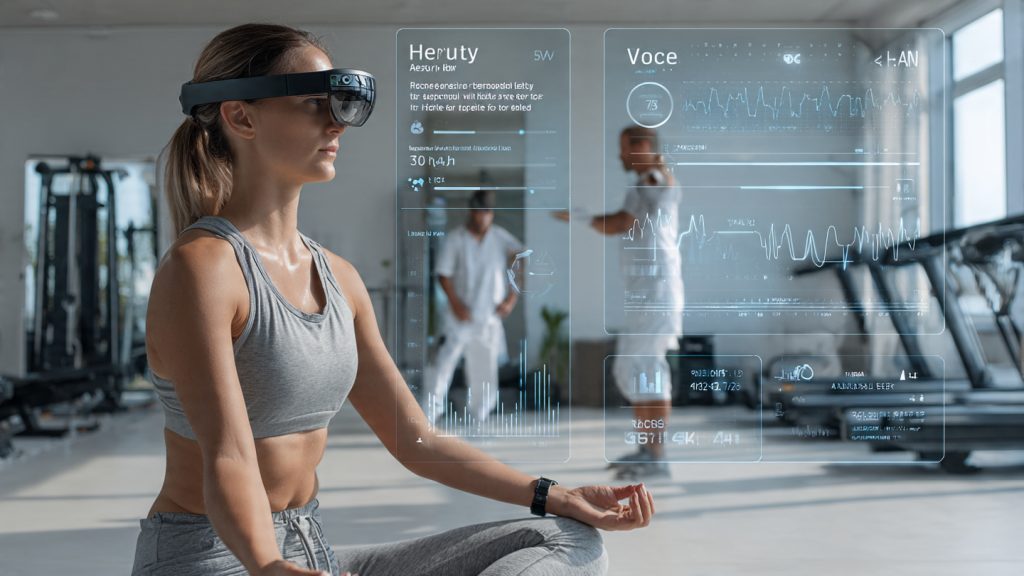
Remember when tracking your workout meant scribbling down reps in a notebook? Those days feel pretty ancient now, thanks to wearables. These devices have shifted from luxury novelties to essential tools for anyone looking to improve their physical well-being. They’re not just counting steps; they’re offering a detailed, real-time look at our bodies in motion.
Contents
- 0.1 Beyond the Step Count: What Wearables Actually Measure
- 0.2 The Rise of Personalized Fitness: Tailoring Workouts to You
- 0.3 Unraveling the Mysteries of Sleep: What Wearables Reveal
- 0.4 The Path to Better Sleep: Actionable Insights from Your Data
- 0.5 Preventive Medicine and Disease Management: Early Detection and Monitoring
- 0.6 Empowering Individuals with Health Information: Taking Control of Wellness
- 0.7 Advancements in Sensor Technology: Deeper Insights into Our Physiology
- 0.8 Integration with Artificial Intelligence and Machine Learning: Smarter, More Predictive Insights
- 0.9 Data Privacy and Security: Protecting Sensitive Information
- 0.10 Accuracy and Reliability: Ensuring the Data is Trustworthy
- 0.11 Accessibility and Equity: Making Wearables Available to Everyone
- 0.12 The Opportunity for a Healthier Society: Proactive Wellness and Reduced Healthcare Burden
- 0.13 Ethical Considerations: Responsible Use and Avoiding Obsession
- 1 FAQs
- 1.1 1. What is wearable technology in the context of health and fitness?
- 1.2 2. How are wearable devices changing the way we monitor our health?
- 1.3 3. What are the benefits of wearable technology for personalized health and fitness?
- 1.4 4. How is wearable technology empowering individuals to take control of their health?
- 1.5 5. What are the potential challenges and opportunities of wearable technology in health and fitness?
Beyond the Step Count: What Wearables Actually Measure
It’s easy to dismiss fitness trackers as mere pedometers. However, the sensors packed into these devices are far more sophisticated. They’re constantly collecting data points that paint a much richer picture of our physical activity than a simple step count ever could.
Heart Rate Monitoring: The Foundation of Understanding Effort
Your heart rate is a direct indicator of how hard your body is working. Wearable technology does more than just display your current BPM; it tracks your heart rate throughout the day and during exercise. This allows you to see how your heart responds to different activities, understand your training zones (like fat burning, cardio, and peak performance), and even detect anomalies. Over time, tracking this data can reveal trends in your cardiovascular fitness and recovery.
GPS Tracking: Mapping Your Movements
For runners, cyclists, and hikers, GPS is a game-changer. It meticulously maps your routes and tracks your distance, pace, and elevation gain. This detailed information is invaluable for understanding your performance on specific trails or routes and for setting realistic goals for improvement. You can analyze your speed over different segments and identify areas where you might be slowing down.
Calorie Burn Estimation: A Smarter Approach to Nutrition
While not always perfectly accurate, calorie burn estimations provided by wearables are getting more refined. By factoring in your heart rate, activity type, duration, and personal metrics like age, weight, and gender, these devices offer a more personalized estimate than generic online calculators. This helps individuals make more informed decisions about their dietary intake in relation to their energy expenditure.
Activity Recognition: Automatic Insights into Your Day
Many modern wearables can automatically detect when you start and stop various activities, from walking and running to swimming and even some strength training exercises. This takes the guesswork out of logging your workouts. The device simply recognizes the pattern of movement and heart rate changes associated with a particular activity and records it for you. This makes it much easier to maintain a consistent and accurate log of your daily physical efforts.
The Rise of Personalized Fitness: Tailoring Workouts to You
One of the most significant impacts of wearable technology is its ability to move us away from one-size-fits-all fitness programs. The data these devices collect allows for a level of personalization that was previously only accessible through expensive personal trainers or in-depth physiological testing.
Customized Training Plans: Adapting to Your Progress
With the wealth of data available, apps and platforms connected to wearable devices can start suggesting adaptive training plans. If your heart rate consistently stays lower during your usual run, the system might suggest increasing the intensity or duration. Conversely, if you’re showing signs of overtraining, it might recommend a rest day or a lighter session. This dynamic approach ensures your workouts remain challenging but also safe and effective.
Performance Analysis: Identifying Strengths and Weaknesses
Beyond basic tracking, wearables enable a deeper dive into performance metrics. You can analyze your average pace, stride length, cadence, and even the symmetry of your movements. This information can pinpoint areas where you excel and identify areas that need improvement, allowing you to focus your training efforts more strategically.
Recovery Metrics: Understanding When to Push and When to Rest
Wearables are increasingly incorporating recovery metrics. Things like heart rate variability (HRV), resting heart rate, and sleep patterns are analyzed to gauge how well your body is recovering from strenuous activity. This data is crucial for preventing burnout and ensuring you’re performing at your peak when it counts. Understanding your recovery can prevent injuries and optimize your training schedule.
For many, the impact of wearables extends far beyond their waking hours. Sleep tracking has become a popular feature, providing eye-opening insights into the quality and quantity of our rest. This data can be just as crucial as workout logs for overall health.
Unraveling the Mysteries of Sleep: What Wearables Reveal
Our sleep is complex, and understanding its different stages and patterns can be challenging. Wearable technology offers a window into this crucial aspect of our well-being, making us more aware of our sleep habits.
Sleep Stage Tracking: Understanding Deep, Light, and REM Sleep
Most advanced wearables can differentiate between light sleep, deep sleep, and REM (rapid eye movement) sleep. Different sleep stages serve different restorative functions for the body and mind. Knowing how much time you spend in each stage can highlight potential issues, such as not getting enough deep sleep for physical repair or not enough REM sleep for cognitive function.
Sleep Duration and Consistency: The Building Blocks of Good Rest
While duration is important, the consistency of your sleep is also vital. Wearables track how long you sleep each night and how often you wake up. Irregular sleep schedules can disrupt your body’s natural circadian rhythm, impacting everything from mood and energy levels to metabolism. Seeing this data visually on a graph can be a strong motivator to establish a more regular bedtime routine.
Identifying Sleep Disruptors: Pinpointing What’s Affecting Your Rest
By correlating sleep data with other metrics tracked by the wearable (like late-night exercise, alcohol consumption logged manually, or even environmental factors if connected to smart home devices), you can begin to identify what might be hindering your sleep. This allows for targeted adjustments to your habits. For example, if you notice your sleep quality drops significantly after a late workout, you might consider shifting your exercise routine.
The Path to Better Sleep: Actionable Insights from Your Data
Simply knowing you’re not sleeping well isn’t enough. The real value of sleep tracking lies in the actionable insights it provides. Wearables empower you to make tangible changes.
Setting Sleep Goals: A Data-Driven Approach to Rest
Once you have a baseline understanding of your sleep patterns, you can set realistic sleep goals. This might involve aiming for a more consistent bedtime, increasing your total sleep duration, or reducing the number of awakenings during the night. Your wearable can then help you track your progress towards these goals.
Optimizing Your Sleep Environment: Making Informed Choices
The data might reveal that certain conditions in your bedroom are impacting your sleep. For instance, if you’re experiencing frequent awakenings and the ambient temperature is high, you might adjust your thermostat or use a fan. Similarly, if you notice noise disrupting your sleep, you might invest in earplugs or a white noise machine.
Stress Management and Sleep: The Interconnectedness Revealed
Wearables often include stress-tracking features, which can be closely linked to sleep quality. When your stress levels are high, your sleep often suffers. By seeing this correlation, you can prioritize stress-reducing activities before bed, such as meditation or gentle stretching, to improve your sleep.
The influence of wearable technology is rapidly expanding beyond fitness enthusiasts and into the realm of healthcare. Doctors and researchers are increasingly leveraging the continuous stream of data these devices provide to monitor patients and gain insights into various health conditions.
Preventive Medicine and Disease Management: Early Detection and Monitoring
The proactive nature of wearables positions them as powerful tools in preventing chronic diseases and managing existing ones. The ability to track subtle changes in vital signs can lead to earlier interventions.
Remote Patient Monitoring: Keeping an Eye on Chronic Conditions
For individuals managing conditions like heart disease, diabetes, or hypertension, wearables offer a way for healthcare providers to remotely monitor their health status. This can reduce the need for frequent in-person visits and allow for timely adjustments to treatment plans if any concerning trends emerge.
Early Detection of Irregular Heart Rhythms: The Power of ECG and Afib Detection
Some advanced smartwatches now include ECG (electrocardiogram) capabilities and the ability to detect atrial fibrillation (AFib). This is a significant advancement, as Afib can increase the risk of stroke. Users can take an ECG reading on demand, or the device can passively monitor for irregularities, alerting them to seek medical attention.
Blood Oxygen Level Monitoring: Insights into Respiratory Health
Features like blood oxygen saturation (SpO₂ ) monitoring can provide valuable insights into respiratory health. While not a diagnostic tool on its own, significant drops or consistently low readings can prompt individuals to consult with a healthcare professional, potentially aiding in the early detection of respiratory issues.
Empowering Individuals with Health Information: Taking Control of Wellness
Wearables are not just for medical professionals; they are putting health information directly into the hands of individuals, fostering a greater sense of agency and responsibility for one’s well-being.
Facilitating Healthier Lifestyle Choices: Data as Motivation
Seeing your daily activity levels, sleep patterns, and even stress indicators laid out clearly can be a powerful motivator. This data can make abstract health goals more tangible and encourage individuals to make conscious choices that positively impact their metrics.
Improved Communication with Healthcare Providers: Sharing Meaningful Data
When you have detailed data from your wearable, you can have more informed conversations with your doctor. Instead of relying on memory, you can present objective information about your activity levels, sleep patterns, or heart rate trends, leading to more accurate diagnoses and personalized treatment strategies.
Building Health Habits: The Gamification of Wellness
Many wearable apps incorporate elements of gamification, like rewarding streaks for meeting daily goals or providing badges for achieving milestones. This can make the process of adopting and maintaining healthier habits more engaging and enjoyable, especially for those who might otherwise find it a chore.
The current capabilities of wearable technology are impressive, but they are just the beginning. The ongoing innovation in this field promises even more sophisticated and integrated health and fitness solutions in the years to come.
Advancements in Sensor Technology: Deeper Insights into Our Physiology
The sensors within wearable devices are continually becoming more advanced and capable of measuring a wider range of physiological markers.
Non-Invasive Glucose Monitoring: A Holy Grail for Diabetics
One of the most anticipated developments is non-invasive continuous glucose monitoring (CGM). Currently, CGMs require a small sensor inserted under the skin. Future wearable technology aims to achieve this without any needles, which would be a revolutionary step for individuals managing diabetes, providing real-time blood sugar readings with unprecedented ease.
Hydration and Nutrient Tracking: Fine-Tuning Our Internal Balance
Imagine a device that could tell you when you’re becoming dehydrated or even offer insights into your electrolyte balance. Future wearables might be able to estimate these crucial metrics, helping individuals optimize their nutrition and hydration for peak performance and overall health.
Stress and Mental Well-being Monitoring: A Holistic Approach
While mental well-being is increasingly being addressed, future wearables might delve deeper into objective measures of stress, mood, and cognitive load. This could involve analyzing vocal patterns, facial micro-expressions (if paired with other devices), or more refined physiological stress markers, leading to more integrated mental health support.
Integration with Artificial Intelligence and Machine Learning: Smarter, More Predictive Insights
The true power of wearable data will be unlocked through advanced artificial intelligence (AI) and machine learning (ML) algorithms.
Predictive Health Alerts: Identifying Risks Before They Manifest
AI can analyze vast datasets of anonymized user information to identify subtle patterns that might indicate an increased risk of certain health issues. This could lead to predictive alerts that prompt individuals to take preventive action or seek medical advice before a problem becomes significant.
Personalized Health Coaching: AI as Your Virtual Expert
Imagine a truly personalized health coach that understands your unique physiology, lifestyle, and goals. AI-powered wearables could offer tailored advice on everything from exercise intensity and nutrition to sleep optimization and stress management, adapting to your progress and challenges in real-time.
Enhanced Diagnostics and Treatment Personalization: Aiding Medical Professionals
In the medical field, AI can help analyze the complex data from wearables to assist clinicians in making more accurate diagnoses and developing highly personalized treatment plans. This could lead to more effective therapies and better patient outcomes. Wearables will likely become a cornerstone of personalized medicine.
While the potential of wearable technology in health and fitness is immense, it’s important to acknowledge the challenges and opportunities that come with its widespread adoption.
Data Privacy and Security: Protecting Sensitive Information
One of the most significant concerns surrounding wearable technology is data privacy and security. These devices collect highly personal and sensitive health information. Ensuring this data is protected from unauthorized access and misuse is paramount. Robust security measures and clear data usage policies are essential.
Accuracy and Reliability: Ensuring the Data is Trustworthy
While accuracy is improving, the precision of some wearable metrics can still be a point of contention. For medical applications, in particular, the reliability of the data is critical. Continued research and rigorous testing are needed to ensure the devices provide accurate and trustworthy information for both personal use and clinical decision-making.
Accessibility and Equity: Making Wearables Available to Everyone
As wearable technology becomes more integral to health and fitness, it’s crucial to consider accessibility and equity. The cost of advanced devices can be a barrier for some individuals, potentially widening existing health disparities. Efforts to make these technologies more affordable and widely available across different socioeconomic groups are important.
The Opportunity for a Healthier Society: Proactive Wellness and Reduced Healthcare Burden
The opportunities are vast. Wearable technology has the potential to foster a more proactive approach to health and wellness for the general population. By empowering individuals to understand and manage their health better, it could lead to a reduction in chronic diseases and, consequently, a lessened burden on healthcare systems.
Ethical Considerations: Responsible Use and Avoiding Obsession
The detailed insights provided by wearables can be incredibly beneficial, but there’s also a risk of users becoming overly focused on their data, leading to anxiety or an unhealthy obsession. Promoting a balanced approach to data interpretation and encouraging users to consult with healthcare professionals when necessary are important ethical considerations. The goal should be empowerment, not anxiety.
FAQs
1. What is wearable technology in the context of health and fitness?
Wearable technology refers to electronic devices that can be worn on the body, such as fitness trackers, smartwatches, and other sensors, which are designed to monitor and track health and fitness-related data.
2. How are wearable devices changing the way we monitor our health?
Wearable devices are revolutionizing the way we monitor our health by providing real-time data on various health metrics such as heart rate, sleep patterns, physical activity, and more. This allows individuals to have a better understanding of their overall health and make informed decisions about their lifestyle.
3. What are the benefits of wearable technology for personalized health and fitness?
Wearable technology offers personalized insights into an individual’s health and fitness, allowing for tailored exercise routines, sleep tracking, and overall wellness management. This personalized approach can lead to improved health outcomes and a better understanding of one’s own body.
4. How is wearable technology empowering individuals to take control of their health?
Wearable devices empower individuals to take control of their health by providing them with the tools and information needed to make proactive choices about their well-being. This can include setting fitness goals, monitoring progress, and making adjustments to their lifestyle based on the data collected.
5. What are the potential challenges and opportunities of wearable technology in health and fitness?
Challenges of wearable technology in health and fitness include data privacy concerns, accuracy of the data collected, and the potential for over-reliance on technology. However, opportunities include the potential for preventive medicine, disease management, and the integration of wearable technology into healthcare and wellness programs to improve overall health outcomes.

With over 5 years of experience in digital learning and productivity, we specialize in creating practical and easy-to-follow solutions.Our expertise focuses on simplifying complex concepts into clear, actionable strategies for everyday use.We are committed to helping learners and professionals improve efficiency, build skills, and achieve consistent growth.